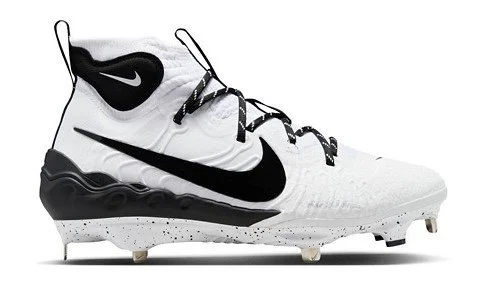
DR. COHEN’S BASEBALL CLEAT LIST 2025

DR. COHEN’S BASEBALL CLEAT LIST 2025. HOT OFF THE PRESSES!

NIKE, ADIDAS, NEW BALANCE, AND MORE!

Jordan 1 Retro MCS Molded Baseball Cleats
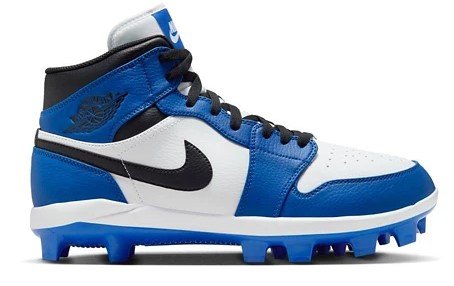
baseball shoes 2025 Jordan1

  • Superior cushioning for added comfort
  • Durable upper
  • Foam midsole
  • Wide stud placement for fast cuts
  • Delivers optimal traction


 Nike Alpha Huarache NXT Metal Baseball Cleats
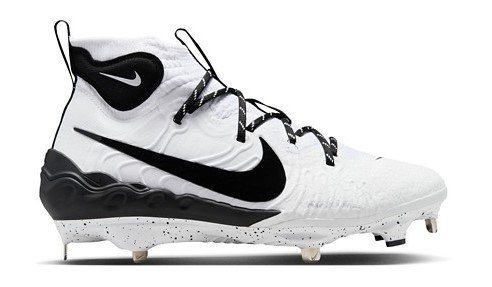
baseball shoes 2025 AlphaHuarache

  • Nike React foam midsole
  • Nike Zoom Air unit in forefoot
  • Lightweight Synergia hybrid cleat plate for exceptional traction
  • Circular knit upper cuff allows for excellent ankle mobility


Adidas Adizero Afterburner 9 Metal Baseball Cleats
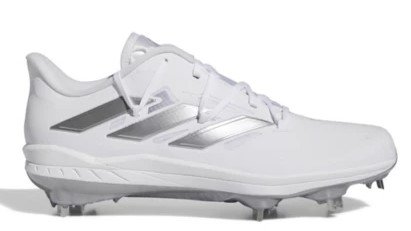
baseball shoes 2025 AdidasAdizero

  • Lightstrike midsole cushioning offers superior comfort
  • Sprintskin upper
  • Widened lacing system adapts to your foot


New Balance FuelCell Ohtani 1 Metal Baseball Cleats
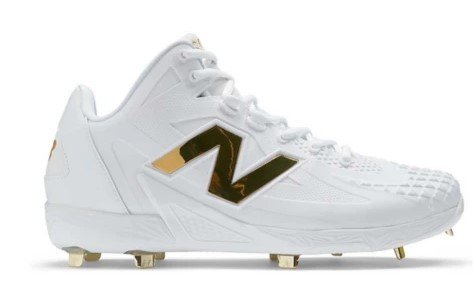
 baseball shoes 2025 NewBalance
 

  • Built for explosive speed and stability
  • FuelCell foam delivers propulsive responsive feel
  • TPU wing lateral midfoot for stability


Under Armour Harper 8 Elite TPU Molded Baseball Cleats
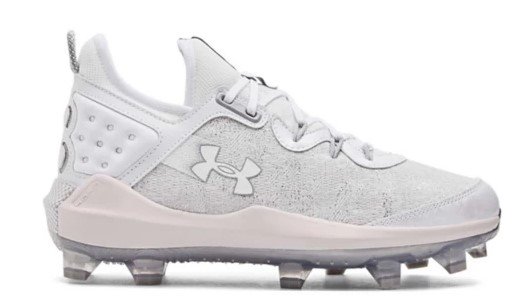
 baseball shoes 2025 UnderArmour

  • Designed for comfort, durability, and high performance
  • Light breathable synthetic upper
  • Molded TPU cleat plate for superior traction
  • Stable grip


Credit: Scheels

Photo Credit: Scheels

To learn more about how custom orthotics can help you reach and exceed your goals and improve your activity so that you can do more of what you love with more confidence and less pain and to schedule your comprehensive biomechanical evaluation visit or call our Sports Medicine Podiatry Center and book an appointment at our Marlton, N.J. Sports Medicine Facility or Ridley Park, P.A. Office location with one of our podiatric sports medicine specialists today at (610) 522-9200.

Corrective Exercises for In-Toeing

In-toeing is a walking pattern in which the feet point inward instead of straight ahead. It is commonly noticed in children, though it can continue into adulthood. Intoeing may be related to differences in bone alignment or muscle imbalance. Certain exercises can help improve strength and positioning. Crisscross sitting encourages proper hip alignment by having the child sit with legs crossed. Static balance involves standing still on one foot to build stability and control. Dynamic balance includes movement activities, such as walking on a line to improve coordination. Additionally, side-stepping helps strengthen the hips and supports better foot placement. A podiatrist can determine the underlying cause, suggest appropriate exercises, and track improvement. If you notice signs of in-toeing, it is suggested that you consult a podiatrist who can help you to manage this condition.

Exercising your feet regularly with the proper foot wear is a great way to prevent injuries and build strength. If you have any concerns about your feet, contact one of our specialists from Dr. Lee S. Cohen Associates. Our doctors can provide the care you need to keep you pain-free and on your feet.

Exercise for Your Feet

Exercise for your feet can help you gain strength, mobility and flexibility in your feet. They say that strengthening your feet can be just as rewarding as strengthening another part of the body. Your feet are very important, and we often forget about them in our daily tasks. But it is because of our feet that are we able to get going and do what we need to. For those of us fortunate enough to not have any foot problems, it is an important gesture to take care of them to ensure good health in the long run.

Some foot health exercises can include ankle pumps, tip-toeing, toe rises, lifting off the floor doing reps and sets, and flexing the toes. It is best to speak with Our doctors to determine an appropriate regimen for your needs. Everyone’s needs and bodies are different, and the activities required to maintain strength in the feet vary from individual to individual. 

Once you get into a routine of doing regular exercise, you may notice a difference in your feet and how strong they may become.

If you have any questions, please feel free to contact our offices located in Marlton, NJ and Ridley Park, PA . We offer the newest diagnostic and treatment technologies for all your foot care needs.

Read more about Exercise for Your Feet

Cold Feet Can Signal Peripheral Artery Disease

Cold feet can be more than a comfort issue fixed by putting on a thicker pair of socks. This discomfort may signal peripheral artery disease, where narrowed arteries reduce blood flow to the legs and feet. When circulation is limited, the skin can feel cool, look pale, or become numb. People may also notice leg pain with walking that improves when stopping. Risk factors for peripheral artery disease include diabetes, smoking, high blood pressure, and high cholesterol. A podiatrist can assess circulation by checking pulses in the feet, comparing blood pressure in the arms and ankles, and ordering imaging tests. Treatment focuses on improving blood flow and protecting the feet from skin breakdown or slow-healing wounds or ulcers. If you have cold feet on a regular basis, it is suggested that you make an appointment with a podiatrist for a diagnosis and treatment.

Peripheral artery disease can pose a serious risk to your health. It can increase the risk of stroke and heart attack. If you have symptoms of peripheral artery disease, consult with one of our specialists from Dr. Lee S. Cohen Associates. Our doctors will assess your condition and provide you with quality foot and ankle treatment.

Peripheral artery disease (PAD) is when arteries are constricted due to plaque (fatty deposits) build-up. This results in less blood flow to the legs and other extremities. The main cause of PAD is atherosclerosis, in which plaque builds up in the arteries.

Symptoms

Symptoms of PAD include:

  • Claudication (leg pain from walking)
  • Numbness in legs
  • Decrease in growth of leg hair and toenails
  • Paleness of the skin
  • Erectile dysfunction
  • Sores and wounds on legs and feet that won’t heal
  • Coldness in one leg

It is important to note that a majority of individuals never show any symptoms of PAD.

Diagnosis

While PAD occurs in the legs and arteries, Podiatrists can diagnose PAD. Podiatrists utilize a test called an ankle-brachial index (ABI). An ABI test compares blood pressure in your arm to you ankle to see if any abnormality occurs. Ultrasound and imaging devices may also be used.

Treatment

Fortunately, lifestyle changes such as maintaining a healthy diet, exercising, managing cholesterol and blood sugar levels, and quitting smoking, can all treat PAD. Medications that prevent clots from occurring can be prescribed. Finally, in some cases, surgery may be recommended.

If you have any questions, please feel free to contact our offices located in Marlton, NJ and Ridley Park, PA . We offer the newest diagnostic and treatment technologies for all your foot care needs.

Read more about Peripheral Artery Disease

Inspect Your Feet Regularly for Abnormalities if You're Diabetic

Diabetic patients often have decreased sensitivity in their feet, which makes a visual inspection of the feet even more important. If you're diabetic, having periodic screenings is extremely important for maintaining the overall health of your feet. 

Plantar Wart Removal and What to Expect

Plantar warts are growths on the bottom of the foot caused by a virus that enters through small breaks in the skin. They can feel like stepping on a pebble and may become painful with pressure. Treatment depends on size, number, and how long they have been present. Over-the-counter options may help in early cases, but stubborn warts often need professional care. A podiatrist may use methods such as freezing, topical medications that break down the tissue, or gentle removal of thickened skin to reduce discomfort and improve treatment success. Sometimes more than one visit is needed, as these growths can be persistent. Keeping the area clean, dry, and protected can also support healing. If you notice a painful spot on the bottom of your foot that does not go away, it is suggested that you see a podiatrist for a proper diagnosis and appropriate care.

Plantar warts can be very uncomfortable. If you need your feet checked, contact one of our specialists from Dr. Lee S. Cohen Associates. Our doctors will assist you with all of your foot and ankle needs.

About Plantar Warts

Plantar warts are the result of HPV, or human papillomavirus, getting into open wounds on the feet. They are mostly found on the heels or balls of the feet.

While plantar warts are generally harmless, those experiencing excessive pain or those suffering from diabetes or a compromised immune system require immediate medical care. Plantar warts are easily diagnosed, usually through scraping off a bit of rough skin or by getting a biopsy.

Symptoms

  • Lesions on the bottom of your feet, usually rough and grainy
  • Hard or thick callused spots
  • Wart seeds, which are small clotted blood vessels that look like little black spots
  • Pain, discomfort, or tenderness of your feet when walking or standing

Treatment

  • Freezing
  • Electric tool removal
  • Laser Treatment
  • Topical Creams (prescription only)
  • Over-the-counter medications

To help prevent developing plantar warts, avoid walking barefoot over abrasive surfaces that can cause cuts or wounds for HPV to get into. Avoiding direct contact with other warts, as well as not picking or rubbing existing warts, can help prevent the further spread of plantar warts. However, if you think you have developed plantar warts, speak to your podiatrist. He or she can diagnose the warts on your feet and recommend the appropriate treatment options.

If you have any questions, please feel free to contact our offices located in Marlton, NJ and Ridley Park, PA . We offer the newest diagnostic and treatment technologies for all your foot care needs.

Read more about Plantar Warts
scroll to top